
The Effects of Caffeine
Caffeine is a central nervous system stimulant, and its best supported effects are the ones you can measure: more alertness, a session that feels easier at the same workload, and, when it is taken with carbohydrate after training, faster refilling of muscle fuel. Below is what the research actually supports, what it doesn't, and where the numbers come from.
Reviewed and updated by Danny Lehr, CrossFit Level 3 Trainer and USA Weightlifting coach. November 2026.

Most adults use caffeine daily, and most of them never look past the first cup. There is more going on than a wake up call, so here are the effects worth knowing, in order of how well they hold up.
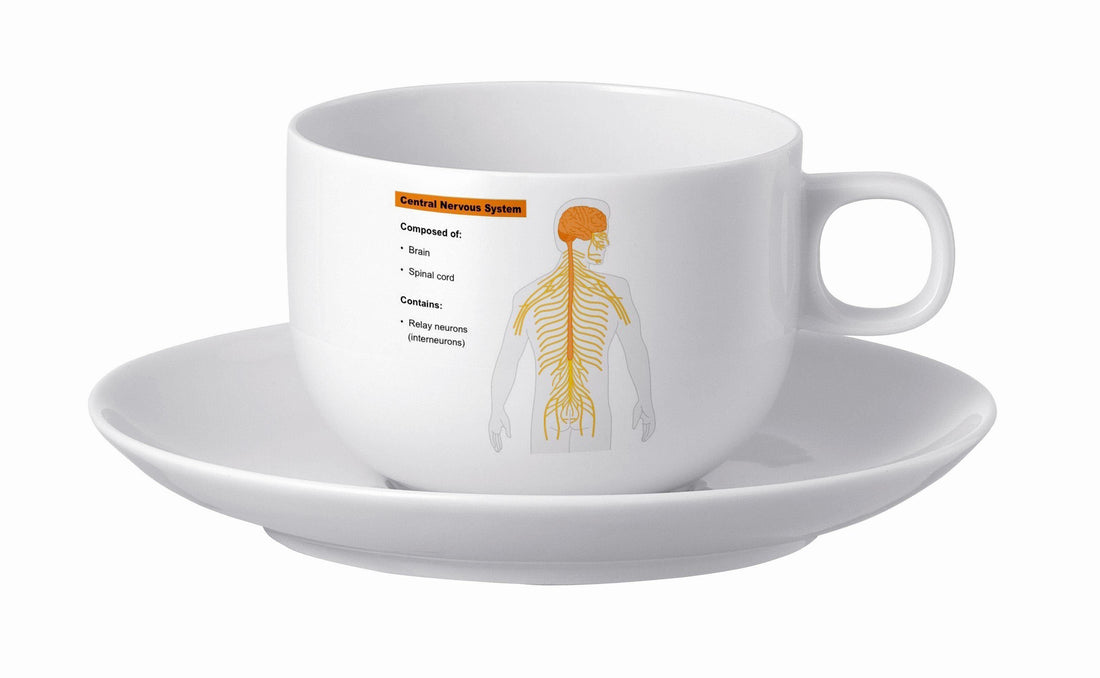
What does caffeine do to your central nervous system?
It blocks adenosine, the molecule that builds up across the day and makes you feel tired. That is why the lift in alertness arrives so quickly, and it is also the mechanism behind most of caffeine's training effects. Blocking the fatigue signal does not remove the fatigue, it changes how much of it reaches you.
Does caffeine make training feel easier?
Yes, and this is one of the strongest findings in the whole literature. Pooling 21 studies, perceived effort during exercise ran 5.6% lower on caffeine than on placebo, and performance was 11.2% better, both statistically significant. Interestingly, at the actual point of exhaustion the difference was essentially zero, so caffeine does not change how bad all out feels. It changes everything up to that point.
Does caffeine help muscle recovery after a workout?
This is the newest figure on this page and the one most people have never heard. In a randomized, double blind crossover trial, trained cyclists who took caffeine alongside their post workout carbohydrate rebuilt muscle glycogen at a rate 66% higher than on the same carbohydrate alone, 57.7 versus 38.0 mmol per kg dry weight per hour, significant at P < 0.05. Two things to keep straight: the comparator is carbs plus caffeine against the same carbs alone, not against nothing, and the dose used was 8 mg per kg of bodyweight, which is a large one. We broke the whole study down in does coffee help muscle recovery.
Does caffeine help with fat loss?
Partly, and the honest version is less exciting than the supplement aisle version. Caffeine raises energy expenditure modestly and shifts some fuel use toward fat, and it blunts appetite for some people. The larger effect is indirect: if it helps you train harder and more often, that is what moves bodyweight. Caffeine is not a fat burner that works while you sit still.

Is caffeine good for your hair?
A correction on this one, because the claim gets repeated everywhere including an earlier version of this page. The research showing caffeine stimulates human hair growth was done on hair follicles in a dish, not on people drinking coffee. It is interesting lab work and it is why caffeine shows up in some shampoos. It is not a reason to drink more coffee, and we are not going to pretend otherwise.
Does coffee detoxify your liver?
Another correction. The older version of this page said caffeine flushes the liver, sourced to a university press release rather than a paper. Coffee drinking does track with better liver markers in large observational studies, which is a real and repeated association, but it is not a detox and nobody has shown a flushing mechanism. The accurate statement is narrower: people who drink coffee tend to have better liver numbers, and we don't know that the coffee is what caused it.
What are the downsides of caffeine?
Timing is the one most people get wrong. In a controlled trial, 400 mg of caffeine measurably cut sleep by over an hour even when it was taken a full six hours before bed, and the subjects did not notice. Beyond that, large single doses bring jitters, a faster heart rate and, in some people, a harder time settling down. None of that argues against coffee. It argues for putting it in the first two thirds of your day.
The figures on this page
| Effect | Figure | Comparator | Statistically significant? |
|---|---|---|---|
| Perceived effort during exercise | 5.6% lower | Caffeine vs placebo, 21 studies | Yes |
| Exercise performance | 11.2% better | Caffeine vs placebo, 21 studies | Yes |
| Effort at the point of exhaustion | 0.01% change | Caffeine vs placebo | No |
| Muscle glycogen refuel rate, 4 h | 66% higher | Carbs + caffeine vs same carbs alone | Yes, P < 0.05 |
| Measured sleep, 400 mg 6 h before bed | Over 1 h lost | Caffeine vs placebo | Yes |
Where coffee fits
If caffeine is going to do work for you, the roast you pick matters less than consistency, but it may as well taste like something. PR Blend is the one we built for training days, there is a whole coffee lineup if you want something different in the rotation, and the Coffee of the Month annual plan exists so you stop running out on the mornings you need it most.

FAQ
How long do the effects of caffeine last?
Caffeine has a half life of roughly five to six hours in most adults, so half of a mid afternoon dose is still in you at bedtime. That is why a controlled trial still measured lost sleep from caffeine taken six hours before bed.
Does caffeine actually improve workout performance?
Yes. Across 21 studies, performance was 11.2% better on caffeine than on placebo and perceived effort was 5.6% lower, both significant. The effect is real and it is not enormous.
Is caffeine better before or after a workout?
Both do something different. Before, it lowers how hard the session feels. After, taken with carbohydrate, it was linked to a 66% higher muscle glycogen refuel rate than the same carbohydrate alone.
How much caffeine is too much?
400 mg a day is the commonly cited ceiling for healthy adults. Single large doses are where side effects cluster, and tolerance for them varies a lot between people.
Does decaf have any of these effects?
Not the caffeine driven ones. In a trial that tested coffee, dose matched caffeine and decaf against each other, decaf performed no better than placebo on performance.
Sources
- Doherty M, Smith PM. Effects of caffeine ingestion on rating of perceived exertion during and after exercise. Scand J Med Sci Sports. 2005;15(2):69-78. PubMed 15773860
- Pedersen DJ, Lessard SJ, Coffey VG, et al. High rates of muscle glycogen resynthesis after exhaustive exercise when carbohydrate is coingested with caffeine. J Appl Physiol. 2008;105(1):7-13. PubMed 18467543
- Drake C, et al. Caffeine effects on sleep taken 0, 3, or 6 hours before going to bed. J Clin Sleep Med. 2013;9(11):1195-200. PubMed 24235903
- Hodgson AB, Randell RK, Jeukendrup AE. The metabolic and performance effects of caffeine compared to coffee during endurance exercise. PLoS One. 2013;8(4):e59561. PubMed 23573201
This is research on healthy adults and trained athletes, not medical advice.